





















Now Reading: Nour G. Jarrar: Leading at the Intersection of Finance, Strategy and Economic Development
-
01
Nour G. Jarrar: Leading at the Intersection of Finance, Strategy and Economic Development

Nour G. Jarrar: Leading at the Intersection of Finance, Strategy and Economic Development
Financial leadership carries particular significance when it extends beyond the performance of a single institution and contributes to the wider economic environment.
For Nour G. Jarrar, CEO and Citi Country Officer for Jordan, that broader perspective has developed through a career spanning corporate banking, project finance, trade finance, strategic planning and institutional leadership.
Today, she leads Citi’s operations in Jordan while contributing her experience across several organisations connected to business, finance and economic development.
Building a Career in Complex Finance
Jarrar’s career developed through areas of finance where decisions often have long-term implications for businesses and economies.
Early in her journey, she worked as a Senior Corporate Finance Officer at The Housing Bank for Trade & Finance, contributing to major project finance transactions in Jordan from initial engagement through financial close. Her responsibilities included structuring corporate credit facilities and leading negotiations.
She subsequently joined the Economic and Development Department at the Royal Hashemite Court, participating in national strategic initiatives and projects across sectors including finance and infrastructure.
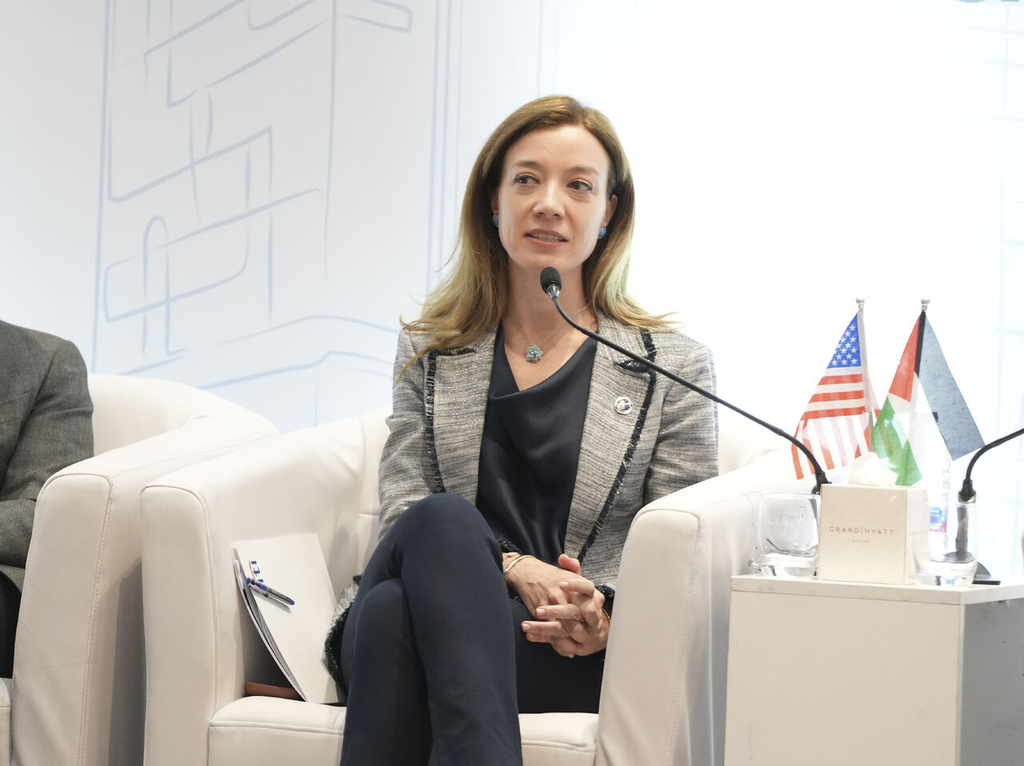
Financial leadership becomes more consequential when capital, strategy and economic priorities are considered together.
Developing a Regional Banking Perspective
Jarrar spent more than 11 years with Bank ABC, where her responsibilities expanded considerably.
She served as Head of Strategic Planning and Financial Institutions, later becoming Head of Global Trade Finance for MENA and ultimately Head of Wholesale Banking Group in Jordan.
These positions gave her experience across strategic planning, financial institutions, corporate banking and regional trade finance, building a leadership perspective that extended beyond individual transactions towards broader institutional priorities.
In 2018, she joined Citi as CEO and Citi Country Officer for Jordan, bringing those different areas of expertise together at the highest level of country leadership.
Leadership Beyond the Executive Office
Jarrar’s contribution extends beyond her role at Citi.
She serves on the Board of Directors of the Jordan Strategy Forum, where she also chairs its Content Committee, and has been a member of the Board of Directors of AmCham-Jordan since 2018.
Her previous governance responsibilities include serving on the boards of the Association of Banks in Jordan and the Jordan Payments & Clearing Company, as well as the Board of Trustees of the King Abdullah II Fund for Development.
She is also a member of the International Women’s Forum.
These responsibilities reflect a career increasingly connected to the wider conversations surrounding Jordan’s financial sector, private-sector development and economic priorities.
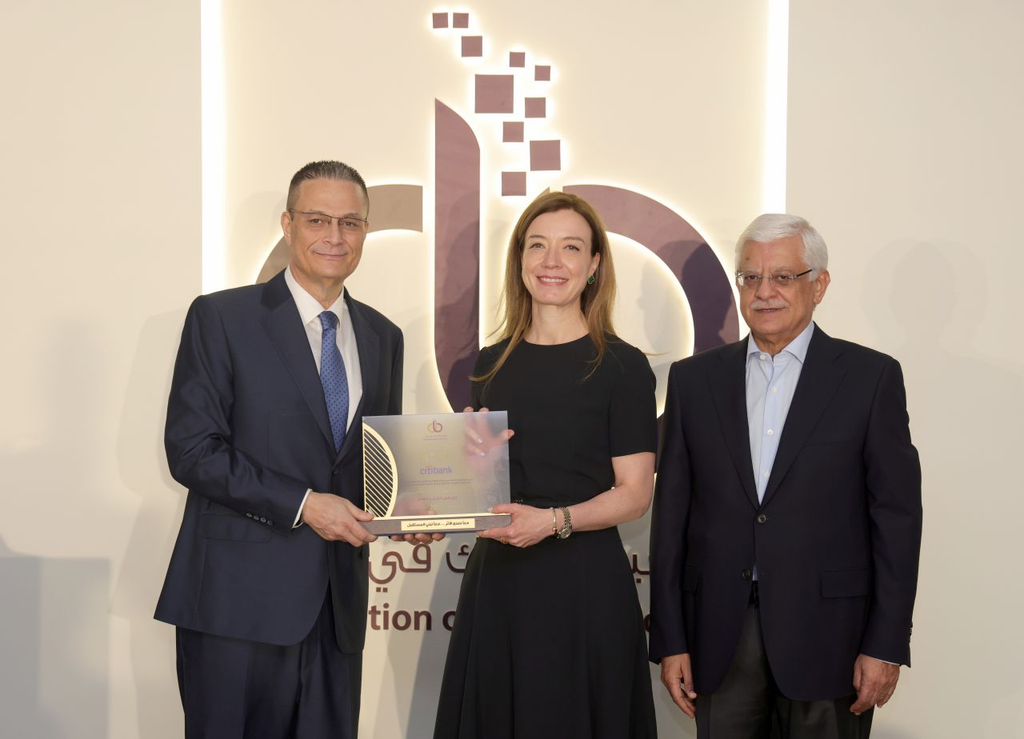
Leadership creates wider value when professional expertise is carried beyond the organisation and into the institutions shaping the business environment.
A Foundation in Finance and Investment
Jarrar’s academic background complements the financial focus of her career.
She holds an MA in Finance and Investment from Nottingham University Business School, following her undergraduate studies at the University of Jordan.
Over the years, that foundation has developed into expertise spanning corporate finance, project finance, financial institutions, trade finance and strategic development.
Her progression demonstrates how specialist financial knowledge can evolve into broader executive and governance responsibility.
Recognition by Jordan Women Leaders
Nour G. Jarrar’s journey represents a form of leadership grounded in financial expertise, strategic responsibility and institutional contribution.
From major project finance transactions and national strategic initiatives to regional banking leadership and her current position as CEO and Citi Country Officer for Jordan, her career has steadily expanded in scope.
For Jordan Women Leaders, her story is significant not simply because of the senior position she holds, but because of the breadth of contribution surrounding it. Through banking, board service and engagement with Jordan’s wider business community, Jarrar represents leadership that connects institutional performance with the broader economic environment.