



















Now Reading: Michael Wakileh: Pioneering Jordan’s Real‑Time Payments Landscape
-
01
Michael Wakileh: Pioneering Jordan’s Real‑Time Payments Landscape

Michael Wakileh: Pioneering Jordan’s Real‑Time Payments Landscape
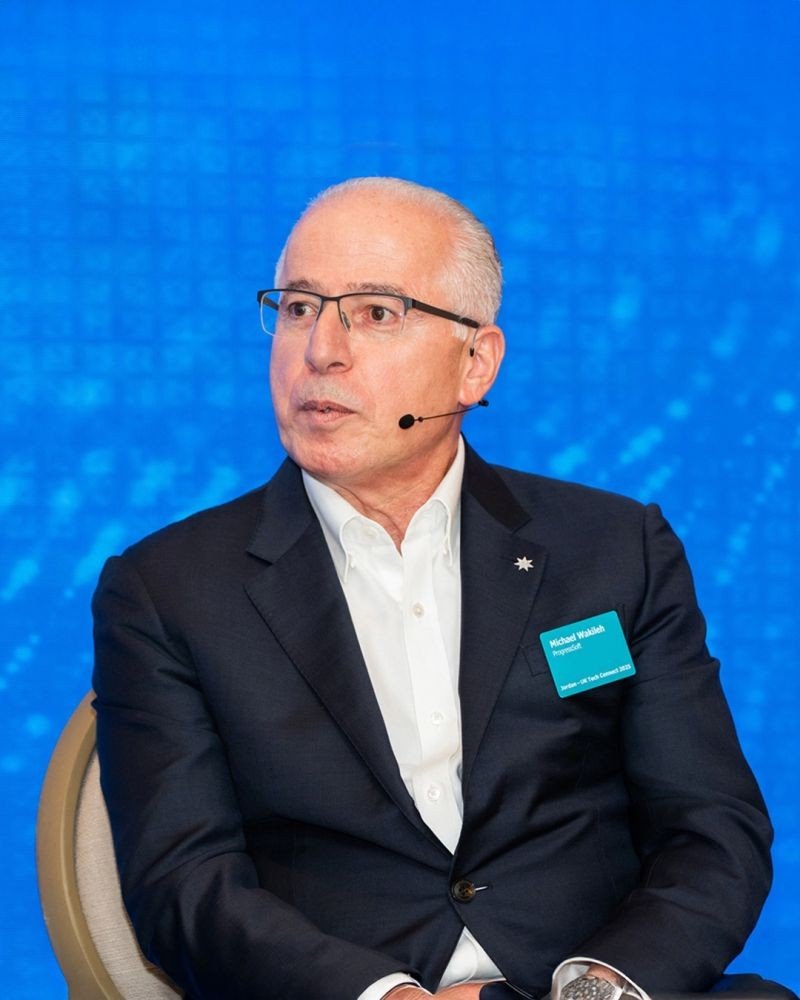
When ProgressSoft was founded in 1989, Jordan’s banking system still relied on batch‑processed transactions. Michael Wakileh recognised that emerging demand for instant settlement required a new architectural approach, and he set out to build a home‑grown platform capable of real‑time payments, clearing and settlement across borders.
Choosing to develop an indigenous solution rather than adopt foreign systems reflected a strategic belief in local capability and ownership. By anchoring the technology in Jordan, the firm could tailor features to regional regulatory nuances while retaining agility.
From Local Vision to Regional Network
The early contracts were with Jordanian banks eager to modernise legacy clearing houses. Wakileh led the design of a real‑time retail payments engine that could integrate with existing core systems without disruption. Successful rollout proved that a locally built solution could match, and often exceed, international alternatives.
ProgressSoft’s seamless integration earned trust from institutions beyond Jordan’s borders, opening doors to expansion. Today the firm supports 387 banks in 25 countries, including Citigroup and the Central Bank of Kuwait.
Offices in Jordan, the UAE, Kuwait, Oman, Qatar and Nepal create a distributed talent pool that can respond swiftly to client needs, embedding local expertise within each market.
Adhering to globally recognised protocols eases regulatory approval and accelerates deployment, resulting in interoperable payment hubs that reduce transaction latency and enable innovative financial products across multiple jurisdictions.
Blockchain‑Based CBDC Solutions
Central banks exploring digital currencies prompted Wakileh to direct ProgressSoft’s R&D toward blockchain‑enabled CBDC frameworks. The offering combines a permissioned ledger with existing real‑time gross settlement (RTGS) infrastructure, allowing authorities to issue digital fiat while retaining control over monetary policy.
Early pilots in Qatar and Bahrain demonstrated high‑volume retail processing and full auditability. Close collaboration with regulators ensured compliance with anti‑money‑laundering standards, reinforcing confidence in the technology’s integrity.
These initiatives have positioned Jordan as a regional thought leader in digital currency adoption and attracted further consultancy engagements.
The CBDC framework illustrates how a firm rooted in real‑time payments can extend its expertise into emerging sovereign digital currency projects.

Sustained commitment to interoperable technology can turn a modest national firm into a regional catalyst for financial transformation.
Mobile Payments and Financial Inclusion
Smartphone penetration across the Middle East created demand for mobile wallets that function offline and in low‑bandwidth environments. Wakileh championed an interoperable mobile payment platform that links disparate wallet providers through a common payment hub.
A modular API enables banks to launch branded wallets without building settlement infrastructure, accelerating financial inclusion.
Features such as intelligent signature recognition reduce fraud risk and streamline onboarding, a capability adopted by institutions like Mashreq and the National Bank of Kuwait.
Through these solutions, unbanked populations can participate in the digital economy via QR‑code payments and peer‑to‑peer transfers, expanding the reach of modern financial services.
Cultivating Talent and Innovation
Beyond product development, Wakileh has instituted mentorship programmes across the company’s regional offices, pairing senior engineers with emerging talent from local universities. These initiatives have produced a pipeline of experts versed in real‑time payment protocols, blockchain architecture and cybersecurity.
Continuous learning ensures ProgressSoft remains agile amid evolving regulatory landscapes and technological disruptions.
By fostering a culture of innovation, Wakileh has positioned Jordan as a centre for fintech excellence, attracting investment and collaborative projects that support the country’s strategic economic diversification goals.
The emphasis on talent development strengthens the firm’s capacity to deliver cutting‑edge solutions while contributing to the wider regional ecosystem.
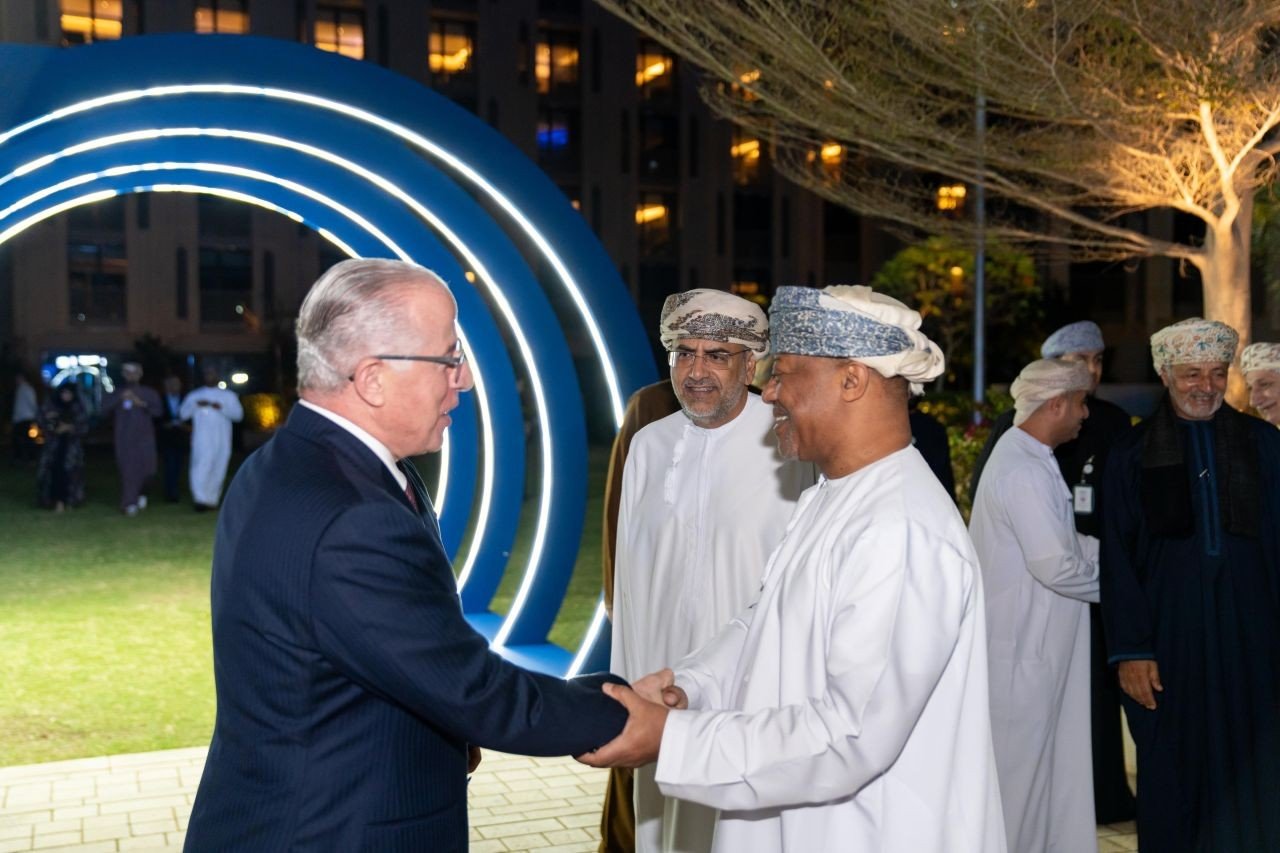
Recognition by Icons Jordan
Michael Wakileh’s three‑decade stewardship of ProgressSoft illustrates how home‑grown expertise can shape the financial infrastructure of an entire region. His focus on interoperable, secure payment solutions aligns with Jordan’s ambition to become a hub for digital innovation. For readers engaged in building resilient fintech ecosystems, his trajectory offers a concrete example of how persistent investment in technology and talent can amplify a nation’s influence on the global stage.