


















Now Reading: Komail Mustafa: Building Sustainable Value Through Integrated Property Leadership
-
01
Komail Mustafa: Building Sustainable Value Through Integrated Property Leadership
Komail Mustafa: Building Sustainable Value Through Integrated Property Leadership
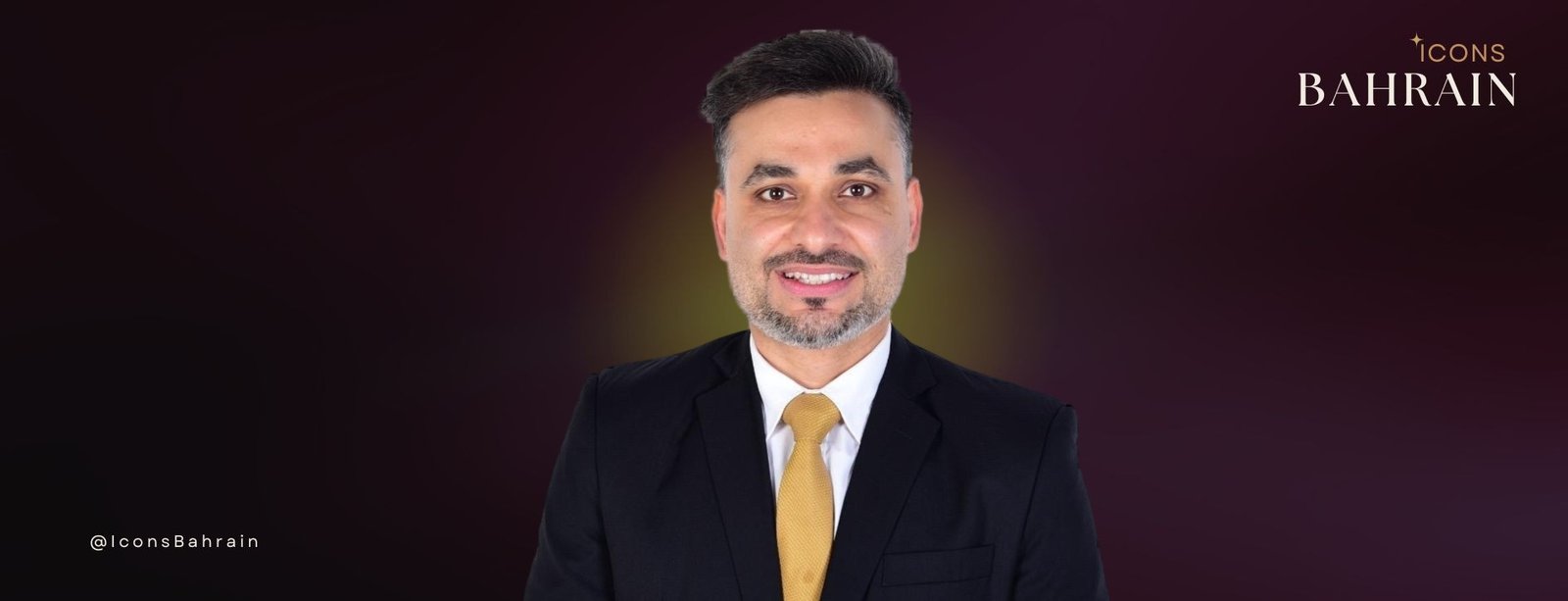
Komail Mustafa doesn’t simply manage a portfolio of buildings; he shapes the way a bank’s physical assets fuel its long‑term strategy. As Head of Property and Administration at Kuwait Finance House, Bahrain, he marries strategic vision with day‑to‑day operational control, ensuring that every development, renovation and facilities service aligns with governance, safety and regulatory standards.
His career has been marked by a series of multimillion‑dollar projects that stretch from residential blocks to disaster‑recovery centres and branch‑network expansions. Each initiative reflects a deliberate focus on lasting value rather than short‑term gain, turning property from a cost centre into a strategic asset.
Effective property leadership is less about overseeing structures and more about shaping the environments where organisations thrive.
Strategic Vision and Asset Optimisation
At KFH Bahrain, Mustafa drives a long‑term property roadmap that underpins the bank’s market positioning and customer‑experience goals. By evaluating expansion opportunities through both commercial and technical lenses, he ensures new branches or renovations contribute directly to the bank’s growth agenda.
His academic grounding, a National Diploma in Management from Heriot‑Watt University and a Bachelor’s degree in Architecture from the University of Bahrain, provides the dual perspective needed to translate design concepts into financially sound projects.

Integrating Projects, Construction and Operations
During his tenure at HSBC, Mustafa consolidated four critical functions, projects, property assessment, maintenance, and health‑safety‑fire management, into a single governance stream. This integration cut hand‑over friction and accelerated response times, a model he has replicated at KFH Bahrain.
Facilities teams now join projects at the concept stage, allowing spaces to be fit‑for‑purpose from day one. The result is smoother delivery, tighter alignment between construction milestones and operational readiness, and a more resilient asset portfolio.
Safety, Compliance and Engineering Excellence
Holding Bahrain’s highest engineering licence (A‑Grade), Mustafa brings a rigorously vetted risk‑assessment approach to every development. Projects under his watch meet local codes and international best practices, reducing exposure to legal challenges and reinforcing stakeholder confidence.

Safety and compliance are woven into each project charter, creating environments where employees can work confidently and regulators can trust the bank’s operational integrity.
People, Innovation and Culture
Leadership for Mustafa is as much about people as about properties. He encourages teams to propose process improvements and adopt innovative technologies such as IoT‑enabled building‑management systems. By nurturing a culture of continuous improvement, he keeps operational practices in step with industry advancements, ensuring the bank remains agile in a rapidly changing market.
When property strategy aligns with organisational purpose, the resulting synergy elevates both asset performance and community wellbeing.
Sustainable Development and Community Impact
Mustafa’s projects incorporate energy‑efficient systems and resilient construction methods that support Bahrain’s environmental goals while delivering cost efficiencies for the bank. His belief that “operational excellence creates sustainable environments” guides a mindset where corporate responsibility and business performance intersect.

Broad Professional Foundations
Before joining KFH Bahrain, Mustafa spent 15 years at Ahli United Bank, where he served as Senior Manager – Projects, Property and Administration. Earlier, at HSBC, he served as Corporate Real Estate Officer, reporting to the Property Manager and coordinating projects, maintenance, security and health‑safety matters across the bank’s portfolio.
These positions required the coordination of multidisciplinary teams and the delivery of complex infrastructure programmes, reinforcing his capability to manage large‑scale, high‑value developments within tightly regulated environments.
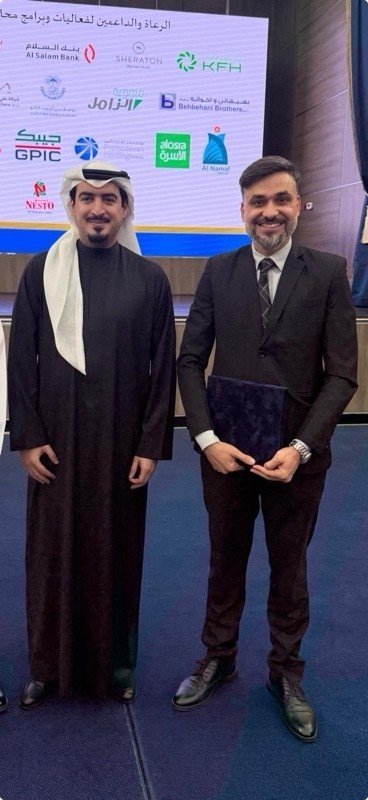
Recognition by Icons Bahrain
Komail Mustafa’s career exemplifies how integrated property and administration leadership can drive strategic outcomes for financial institutions. His blend of architectural insight, project‑management acumen and commitment to safety offers a template for banks seeking to leverage real‑estate assets as growth engines.
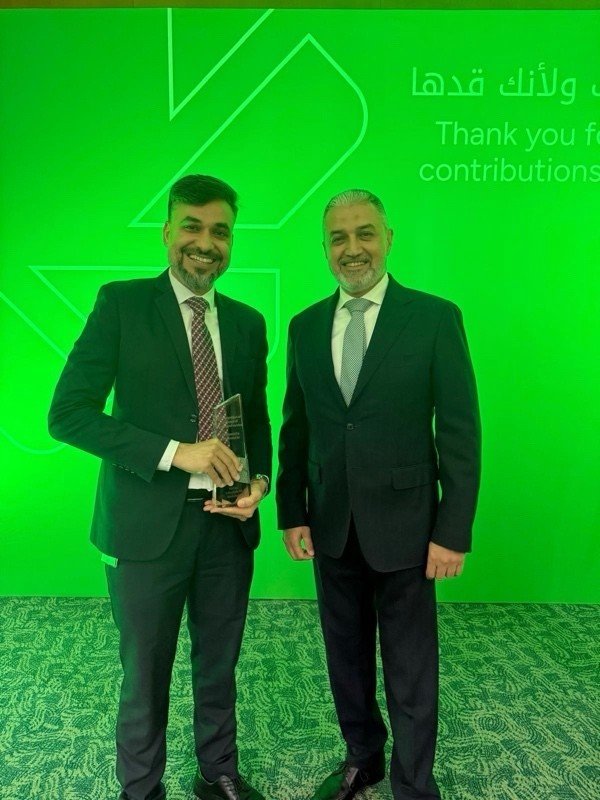
For readers in Bahrain’s banking and infrastructure sectors, his approach highlights the value of cross‑functional expertise and the importance of aligning physical‑asset management with long‑term corporate objectives. By championing sustainable, people‑centred environments, Mustafa not only enhances KFH Bahrain’s operational footprint but also contributes to the broader development of Bahrain’s built landscape.